

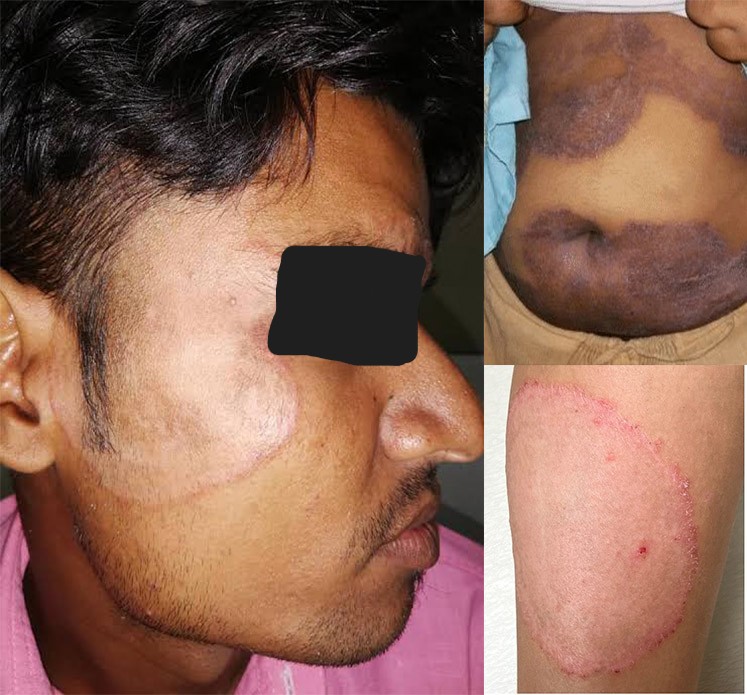
What is Fungal Infection?
Understanding Fungal Infections:Fungal infections are common skin conditions caused by fungi that thrive in warm, moist environments. These infections can affect various parts of the body, including the feet (athlete's foot), groin area (jock itch), nails (fungal nail infections), and other areas of the skin. Fungal infections are contagious and can spread through direct contact with infected individuals or contaminated surfaces.
Common Symptoms of Fungal Infections
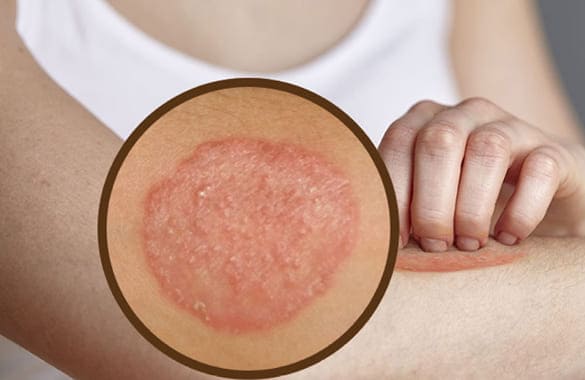
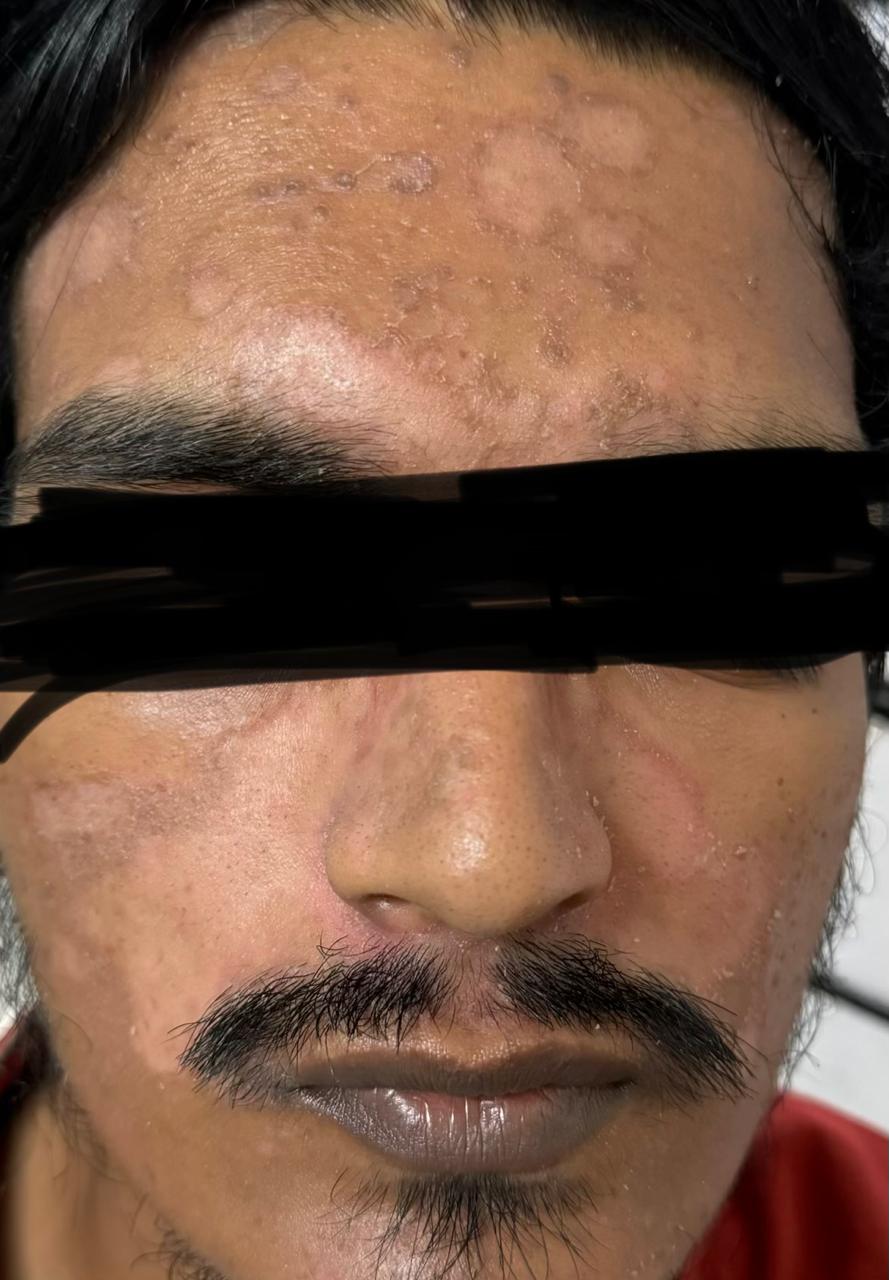
- Itchy, red, scaly rash: Often ring-shaped (ringworm) with abdomen, thigh, armpit, chest, buttocks, legs, face etc.
- Cracked, peeling, or blistered skin: Especially between toes (athlete's foot).
- Thickened, discolored, or brittle nails: Nails may turn yellow, brown, or white and separate from the nail bed.
- Patches of hair loss: On scalp or beard area with broken hairs and black dots.
- Moist, white, softened skin: In skin folds (intertrigo) caused by yeast (candida).
Treatment Approaches for Fungal Infections
At Ojas Skin Care Clinic, we offer a variety of treatment options to effectively manage and treat fungal skin infections.
Oral Antifungal Treatment
Oral antifungal medications are recommended for severe, deep, or recurrent fungal infections that do not respond well to topical treatments. These medicines work internally to target the infection at its root and provide long-lasting relief.
They are especially effective for scalp infections, nail fungus, and widespread skin infections. A proper medical consultation is important before starting oral antifungal therapy to ensure safe and effective results.
Topical Antifungal Treatment
Topical antifungal medications are commonly used to treat mild to moderate fungal infections. These include creams, lotions, gels, and powders that are applied directly to the affected area. They help reduce itching, redness, and inflammation while effectively eliminating the fungal growth from the skin surface.
Topical treatments are ideal for conditions such as ringworm, athlete's foot, and minor yeast infections. Regular application as prescribed ensures faster healing and prevents the infection from spreading.
Our Approach to Fungal Infections
At Ojas Skin Care Clinic, our experienced dermatologists and skincare specialists are committed to providing you with personalized fungal infection treatment options tailored to your unique needs. We understand the discomfort and embarrassment that fungal infections can cause, and we are dedicated to helping you achieve healthier, clearer skin. Schedule a consultation with us today to learn more about our fungal infection treatment approach and take the first step towards managing your symptoms and improving your skin health.
Comprehensive Fungal Infection
Depending on the location and severity, we may recommend one or more of the following evidence-based treatments:
- Topical antifungal creams, sprays, or powders: For localized skin infections.
- Oral antifungal medications: For extensive skin involvement, scalp infections (tinea capitis), or nail fungus.
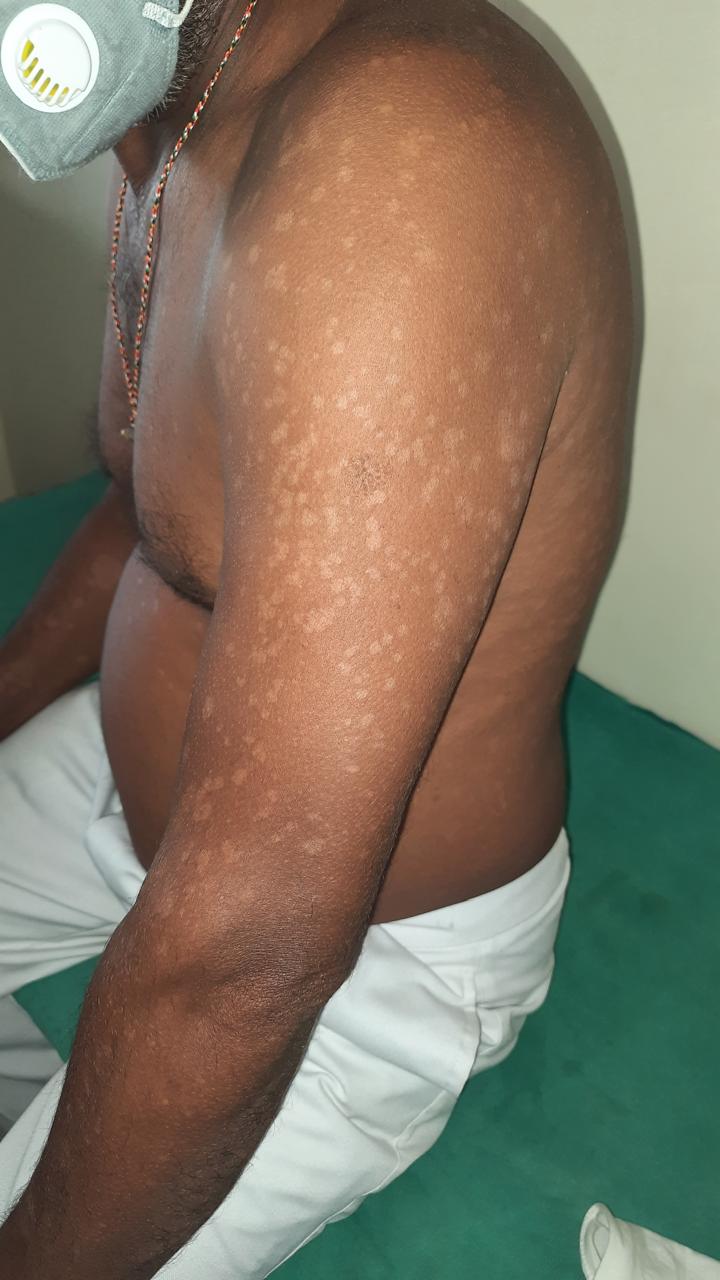
- Antifungal shampoos: For scalp seborrheic dermatitis or tinea versicolor.
- Combination therapy: Sometimes we combine oral and topical treatments for resistant infections.
- Lifestyle and hygiene guidance: Keeping skin dry, wearing breathable fabrics, disinfecting shoes and linens to prevent reinfection.
We monitor your progress with follow-up visits and repeat testing if necessary to ensure the infection is fully resolved.
Frequently asked questions
Yes, All fungal infections (like ringworm, athlete's foot) are contagious and can spread through direct skin-to-skin contact, or indirectly via contaminated surfaces, towels, combs, or shoes. We advise avoiding sharing personal items during treatment.
Treatment duration varies. Skin infections typically improve within 3 to 4 months of topical or oral therapy. Nail fungus requires longer treatment (6 to 12 months for nail fungus, or a few laser sessions) because the nail must grow out completely.
Not at all, every time you need to visit your board certified dermatologist for fungal infection. Fungal infection needs proper diagnosis and treatment for long term. Many drug resistant cases of fungal infections are increasing due to wrong diagnosis , OTC steroid cream usage and incomplete treatment.
Recurrence is possible if preventive measures aren't followed. We teach you how to keep skin dry, disinfect shoes, wear flip-flops in public pools/lockers, and manage underlying conditions like diabetes to reduce the chance of reinfection.
Oral antifungals are generally safe when prescribed and monitored by a board certified dermatologist.